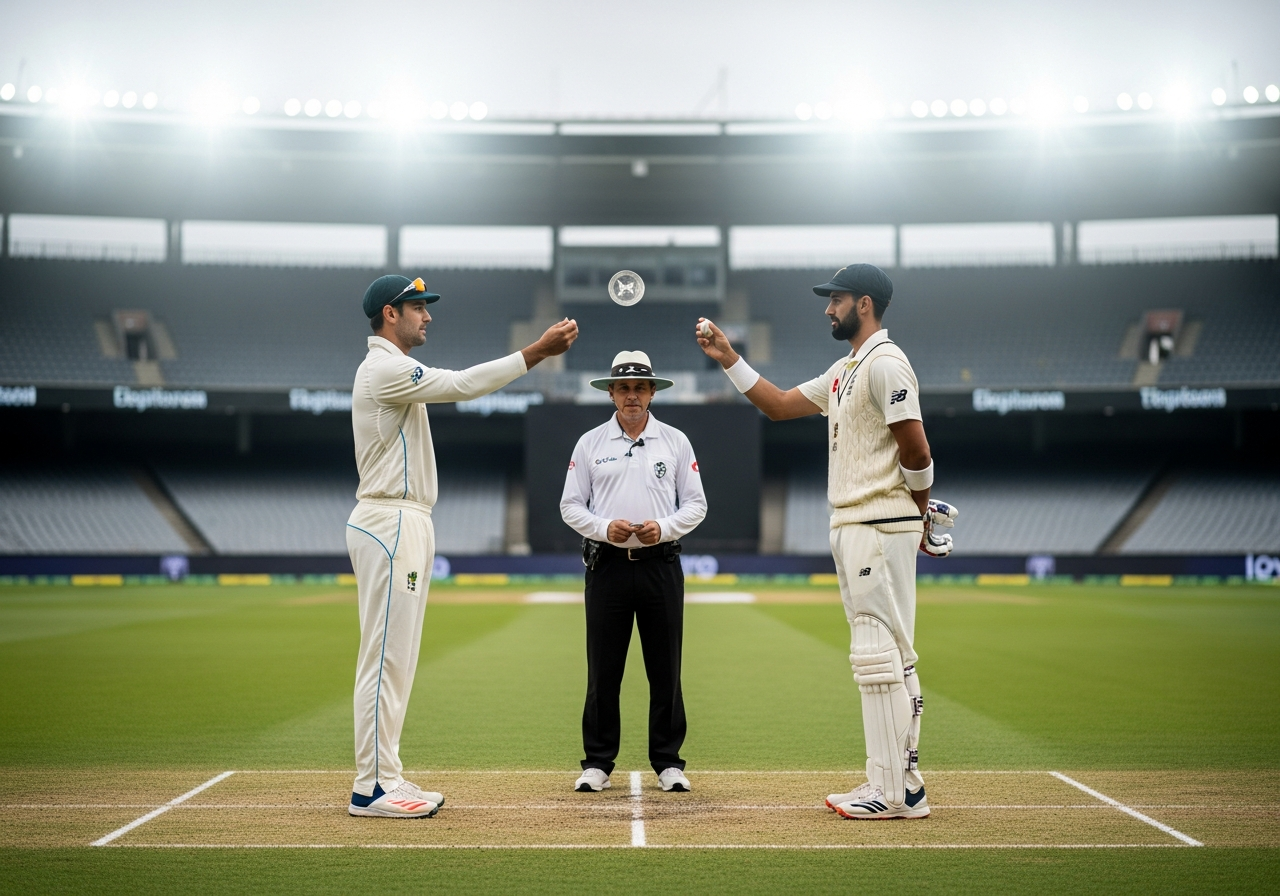
Cricket toss betting represents one of the most fundamental markets in India’s rapidly expanding cricket wagering ecosystem, offering bettors a unique 50/50 probability base that appeals to both newcomers and experienced punters. Unlike complex match outcome predictions that require extensive team analysis, toss betting provides immediate resolution within minutes of match commencement, making it particularly attractive for Indian bettors seeking quick, decisive betting opportunities across IPL matches and international cricket tournaments.
The appeal of toss betting extends far beyond its apparent simplicity as a coin flip prediction market. Indian bettors gravitate toward toss markets due to their pre-match clarity, distinct market opportunities that don’t require deep cricket knowledge, and the instant gratification of rapid bet resolution. What many bettors overlook is that successful toss betting involves understanding first-innings choice implications, captain decision patterns, and venue-specific factors that can create exploitable market inefficiencies despite the inherent randomness of coin flips.
Within India’s broader cricket betting landscape, toss betting serves as both an entry point for newcomers and a strategic component for experienced bettors building multi-market combinations. The market’s integration with other cricket betting options—including run-line hedging and first-innings choice predictions—creates sophisticated betting opportunities that go well beyond simple heads-or-tails wagering, positioning toss betting as a cornerstone of comprehensive cricket betting strategies.
Understanding Cricket Toss Betting Basics
Cricket toss betting involves wagering on which team captain wins the pre-match coin flip that determines which side gets to choose whether to bat or bowl first. This fundamental betting market operates on the mathematical foundation of a 50% probability for each outcome before bookmaker odds adjustments, making it one of the purest probability-based markets in cricket betting. The straightforward nature of predicting heads or tails creates an accessible entry point for Indian bettors new to cricket wagering.
Despite the underlying 50/50 probability, bookmakers adjust toss betting odds based on various factors including captain experience, historical venue data, and market demand from bettors. These odds typically range between 1.85 and 2.05 in decimal format, with the built-in bookmaker margin ensuring profitability regardless of outcome. Understanding this mathematical foundation helps Indian bettors recognize when odds offer genuine value versus standard market pricing.
A crucial distinction exists between predicting the toss winner and predicting the first-innings choice that follows. While the coin flip itself remains random, the captain’s decision to bat or bowl first depends on pitch conditions, weather forecasts, and team strategy. Some betting platforms offer combined markets where bettors predict both the toss winner and the subsequent batting/bowling decision, creating higher odds but reduced probability of success.
The integration of toss betting within broader cricket betting markets allows for sophisticated strategies including arbitrage opportunities and hedge betting combinations. Advanced bettors use toss outcomes as part of multi-market strategies, particularly when correlating captain decisions with run-line markets and total runs betting, creating profit opportunities that extend beyond the simple coin flip prediction.
Toss vs First Innings Choice in Cricket Betting
Winning the toss grants the team captain the strategic advantage of choosing whether their team bats or bowls first, a decision that significantly impacts match dynamics and subsequent betting odds across all markets. The captain’s choice depends on pitch conditions, weather patterns, team composition, and strategic preferences that can be analyzed and predicted with greater accuracy than the random coin flip itself.
The first-innings choice directly influences match betting odds, with teams choosing to bat first typically receiving slightly different odds compared to teams electing to bowl first, depending on venue history and conditions. This decision creates a ripple effect across run-line markets, total runs betting, and individual player performance odds, as batting first or second fundamentally changes scoring expectations and match dynamics.
Some experienced Indian bettors focus on predicting the toss winner combined with the captain’s subsequent decision, creating four-way betting outcomes: Team A wins toss and bats, Team A wins toss and bowls, Team B wins toss and bats, or Team B wins toss and bowls. These combined markets offer significantly higher odds than simple toss winner predictions, typically ranging from 3.50 to 4.50, but require accurate prediction of both random and strategic elements.
Why Toss Betting Matters in Indian Cricket Markets
- Instant resolution within 10-15 minutes of match start eliminates the uncertainty and time commitment of traditional match outcome betting
- High market liquidity across IPL matches and international cricket tournaments ensures competitive odds and large betting limits
- Accessibility for casual bettors who may lack deep cricket knowledge but can participate in straightforward probability-based wagering
- Perfect complement to live betting strategies, providing early profit opportunities before main match betting begins
- Platform competitiveness drives consistently narrow margins, often offering better value than complex cricket betting markets
- Integration potential with multi-market betting strategies and accumulator bets for enhanced profit opportunities
Top Betting Platforms for Toss Betting from India
Selecting the right betting platform for toss betting requires careful evaluation of market availability, odds competitiveness, payment methods, and platform-specific features that enhance the betting experience for Indian users. Major international platforms accessible to Indian bettors vary significantly in their toss market offerings, with some providing extensive pre-match and live toss betting options while others limit availability to major tournaments only.
Platform comparison becomes crucial when considering the narrow margins typical in toss betting markets, where a difference of 0.05 in decimal odds can significantly impact long-term profitability. Indian bettors must also factor in payment method compatibility, withdrawal processing times, and customer service availability in local time zones when selecting their primary toss betting platform.
KYC requirements and account verification processes vary across platforms, with some requiring extensive documentation for Indian users while others offer streamlined verification for smaller betting limits. Understanding these requirements upfront prevents delays when attempting to withdraw winnings from successful toss betting sessions.
Combined toss and first-innings choice markets show significant variation across platforms, with specialized cricket betting sites often offering more comprehensive options compared to general sportsbooks. This specialization can provide Indian bettors access to unique betting opportunities not available on mainstream platforms.
| Betting Platform | Toss Betting Markets | Odds Competitiveness | Payment Methods (INR) | Live Streaming | User Rating |
|---|---|---|---|---|---|
| Bet365 | Comprehensive toss + choice markets | 1.90-2.00 typical range | UPI, NetBanking, Cards | Yes (HD quality) | 4.6/5 |
| Betfair Exchange | Peer-to-peer toss markets | 1.95-2.05 exchange rates | Skrill, Neteller, Bank transfer | Limited cricket coverage | 4.4/5 |
| Pin Up Cricket | IPL-focused toss betting | 1.88-1.98 competitive odds | Paytm, PhonePe, Google Pay | Yes (mobile optimized) | 4.3/5 |
| Unibet | Standard toss winner markets | 1.91-2.01 standard range | Credit cards, e-wallets | No | 4.2/5 |
| BetinAsia | Asian handicap + toss combos | 1.93-2.03 Asian market rates | Cryptocurrency, Bank transfer | Yes (premium service) | 4.5/5 |
| 22Bet | Basic toss betting options | 1.89-1.99 budget-friendly | UPI, IMPS, Local banks | Yes (standard quality) | 4.1/5 |
Selecting the Best Platform for Your Toss Betting
- Compare toss betting odds across at least three platforms before placing each bet to ensure maximum value
- Verify INR payment method availability and withdrawal processing times to avoid currency conversion fees
- Test live streaming quality and reliability during practice sessions before relying on platform streams for betting decisions
- Check platform betting limits for toss markets, as some sites restrict maximum stakes on these high-frequency markets
- Evaluate customer service responsiveness and availability during Indian cricket match hours
- Confirm mobile app functionality for toss betting, as many bets are placed just minutes before match start
- Review platform policies on account restrictions and bonus terms that may affect toss betting strategies
Toss Betting Odds and Probability Analysis
Bookmakers set toss betting odds by starting with the fundamental 50/50 probability base and then adjusting for market factors, betting volume, and risk management requirements. Despite the mathematical certainty of equal probability for each team winning the coin flip, odds rarely sit exactly at 2.00 due to bookmaker margins and market dynamics that create subtle variations exploitable by sharp bettors.
Odds movement in toss betting markets occurs due to factors including heavy betting volume on one side, captain reputation and historical performance, venue-specific trends, and even superstitious betting patterns among casual punters. Understanding these movement patterns helps Indian bettors identify value opportunities when odds drift away from true probability due to public betting bias rather than actual information.
Indian bettors familiar with cricket betting often encounter both decimal and fractional odds formats across different platforms. Converting between these formats becomes essential when comparing value across multiple bookmakers, particularly since toss betting margins are typically narrow and small differences in odds format interpretation can impact profitability calculations.
The relationship between implied probability and actual probability in toss betting creates unique opportunities for mathematical edge identification. When bookmaker odds suggest probabilities that deviate significantly from the known 50/50 reality, informed bettors can capitalize on these discrepancies through systematic value betting approaches.
Reading and Comparing Toss Betting Odds
| Odds Format | Example | Implied Probability | Typical Range for Toss Bets | Bookmaker Margin |
|---|---|---|---|---|
| Decimal | 1.95 | 51.28% | 1.85 – 2.05 | 2.6% typical |
| Fractional | 19/20 | 51.28% | 17/20 – 21/20 | 2.6% typical |
| American | -105 | 51.22% | -125 to +105 | 2.4% typical |
| Indonesian | 0.95 | 51.28% | 0.85 – 1.05 | 2.6% typical |
Converting between odds formats helps Indian bettors accurately compare value across platforms using different display preferences. The formula for decimal to fractional conversion (decimal odds – 1 = fractional numerator/denominator) and implied probability calculation (1/decimal odds × 100) enables quick assessment of bookmaker margins and value identification.
Toss betting markets typically show lower margins than complex cricket markets because the underlying probability is known and easily calculated by bettors. Bookmakers cannot hide large margins in markets where the true odds are mathematically defined, leading to more competitive pricing that benefits informed Indian bettors.
Factors Affecting Toss Odds in Cricket
- Captain experience and historical toss success rates at specific venues can create slight odds adjustments based on perceived “luck” factors
- Venue-specific patterns including coin type, toss area conditions, and historical head/tail frequency data influence bookmaker risk assessment
- Weather conditions affecting coin visibility and handling may cause minimal odds fluctuations on outdoor venues
- Market sentiment and public betting patterns can drive odds movement away from true probability when casual bettors show strong preferences
- Time of day and wind conditions during outdoor tosses occasionally factor into odds calculations for experienced bookmakers
- Tournament significance and media attention levels affect betting volume and subsequent odds movement in toss markets
- Superstitious betting trends among local populations can create exploitable odds distortions in specific markets
Toss Prediction Strategies for Indian Bettors
- Research historical toss data for specific venues, focusing on head/tail frequency over the past 50+ matches to identify potential statistical anomalies
- Analyze captain-specific toss records at individual grounds, noting any patterns in success rates that might indicate venue familiarity or psychological factors
- Monitor weather conditions and wind patterns that could theoretically affect coin flip dynamics, though impact remains minimal in practice
- Compare odds across multiple platforms immediately before match start to identify the best available value on your predicted outcome
- Implement strict bankroll management with unit-based betting to survive the natural variance inherent in 50/50 probability outcomes
- Combine toss predictions with first-innings choice analysis when platforms offer combined markets with higher odds
- Track your own prediction accuracy over time to identify any genuine edge versus random chance performance
Statistical approaches to toss prediction must acknowledge the fundamental randomness while seeking exploitable market inefficiencies created by public bias or bookmaker risk management. Historical data analysis provides insights into venue-specific trends and captain decision patterns that can inform betting strategies beyond pure coin flip probability.
Live information gathering becomes crucial in the 30 minutes before match start when final team compositions, pitch reports, and weather updates can influence captain psychology and market odds. Sharp Indian bettors monitor these information flows to identify last-minute value opportunities in toss betting markets.
While toss outcomes remain inherently unpredictable, market inefficiencies arise when casual bettors apply cricket knowledge inappropriately to random events, creating opportunities for mathematically-minded bettors who focus on odds value rather than outcome prediction. The key lies in recognizing when market odds deviate from true probability due to betting bias rather than genuine information.
Successful toss betting requires accepting the limited predictability while focusing intensively on value identification and proper bankroll management. The goal shifts from predicting outcomes to consistently betting when odds offer positive expected value over the long term.
Data-Driven Toss Analysis for IPL and International Matches
Historical IPL toss data reveals interesting venue-specific patterns, with grounds like Chinnaswamy Stadium in Bangalore showing 52.3% heads frequency over 15 seasons, while Eden Gardens in Kolkata demonstrates 48.7% heads rate across similar sample sizes. These small deviations from 50/50 probability can create value opportunities when bookmaker odds don’t reflect venue history.
International cricket toss patterns differ from domestic tournaments due to different coin types, venue conditions, and toss procedures used by various cricket boards. T20 internationals show slightly different toss frequency patterns compared to ODI matches, potentially due to different levels of tension and pressure affecting coin flip execution.
Certain captains demonstrate unusual toss records that may indicate physical technique differences in coin flipping or psychological factors affecting performance under pressure. MS Dhoni’s IPL toss record of 53.8% wins over 200+ matches suggests potential non-random factors worth considering when he’s involved in toss betting markets.
Managing Bankroll and Bet Sizing for Toss Betting
Effective bankroll management forms the cornerstone of profitable toss betting, as the inherent variance in 50/50 probability outcomes can create extended winning or losing streaks that devastate poorly managed betting funds. Indian bettors must implement systematic approaches to bet sizing that account for the rapid resolution and high frequency nature of toss betting opportunities.
A unit-based betting system with fixed percentages per wager provides the disciplined framework necessary for long-term success in toss betting markets. Recommended unit sizes typically range from 1-2% of total bankroll per bet, allowing bettors to withstand inevitable losing streaks while capitalizing on positive expected value opportunities when they arise.
The quick resolution of toss bets creates psychological pressure to over-bet or chase losses, particularly when multiple matches occur in short timeframes during cricket tournaments. Establishing clear betting limits and loss stops before placing any toss bets prevents emotional decision-making that can quickly erode carefully built bankrolls.
Proper bankroll allocation for toss betting must account for its role within broader cricket betting strategies. Bettors combining toss bets with match outcome wagering need segregated bankroll portions to prevent poor performance in one area from affecting overall betting strategy execution.
Unit System and Bet Sizing for Toss Markets
| Bankroll Size (INR) | Recommended Unit Size | Max Bet per Toss (Units) | Daily Toss Bets Limit | Loss Stop Per Session |
|---|---|---|---|---|
| ₹10,000 | ₹200 (2%) | 1 unit maximum | 3 bets maximum | ₹400 (2 units) |
| ₹25,000 | ₹375 (1.5%) | 1-2 units | 5 bets maximum | ₹750 (2 units) |
| ₹50,000 | ₹500 (1%) | 1-3 units | 6 bets maximum | ₹1,000 (2 units) |
| ₹100,000 | ₹1,000 (1%) | 1-4 units | 8 bets maximum | ₹2,000 (2 units) |
| ₹250,000 | ₹1,875 (0.75%) | 1-5 units | 10 bets maximum | ₹3,750 (2 units) |
The Kelly Criterion can be adapted for toss betting when bettors identify genuine edges through odds discrepancies, though most situations call for conservative fractional Kelly implementation due to the challenge of accurately estimating edge size in near-50/50 markets. The formula (edge/odds – 1) provides bet size guidance when confident value exists.
Indian rupee calculations should account for currency fluctuations when using international betting platforms, with unit sizes potentially adjusted based on exchange rate movements affecting actual purchasing power. Regular bankroll reviews ensure unit sizes remain appropriate as account values change through betting results and currency movements.
Discipline and Loss Prevention in Toss Betting
- Set strict daily and weekly loss limits before placing any toss bets, treating these limits as non-negotiable regardless of perceived opportunities
- Establish minimum odds thresholds (typically 1.90 or higher) to ensure adequate value exists before placing any toss bet
- Implement mandatory cooling-off periods of 24-48 hours after losing streaks of 3+ consecutive toss bets
- Use platform deposit limits and betting controls to enforce predetermined bankroll management rules automatically
- Maintain detailed records of all toss bets including odds, stake, outcome, and reasoning to identify patterns in decision-making
- Avoid toss betting when emotionally affected by other betting losses or personal stress that could impair judgment
Common Toss Betting Mistakes and How to Avoid Them
- Falling victim to gambler’s fallacy by believing previous toss outcomes affect future coin flip probabilities, when each toss remains independent with 50/50 odds
- Betting on toss outcomes without genuine odds edge, focusing on prediction accuracy rather than long-term value and positive expected value
- Overconfidence bias leading to increased bet sizes based on short-term winning streaks or perceived patterns in fundamentally random events
- Chasing losses by doubling bet sizes after unsuccessful toss predictions, ignoring proper bankroll management principles
- Neglecting to compare odds across multiple platforms, missing better value opportunities available elsewhere
- Mixing toss betting with match outcome emotions, letting team preferences influence supposedly objective probability-based decisions
- Betting beyond predetermined limits when multiple matches offer simultaneous toss betting opportunities during tournament days
Psychological biases significantly impact toss betting decisions despite the mathematical clarity of 50/50 probability outcomes. Indian bettors often apply cricket knowledge inappropriately to random events, seeking patterns and predictive factors that simply don’t exist in coin flip mechanics.
The rapid resolution and high frequency of toss betting opportunities create unique psychological pressures not present in traditional match betting. The temptation to immediately place another bet after a loss can quickly destroy disciplined bankroll management if not actively controlled through predetermined limits and cooling-off periods.
Successful toss betting requires accepting randomness while maintaining focus on mathematical edge identification through odds comparison and value assessment. The goal must shift from outcome prediction to consistent exploitation of favorable odds when they occur.
Bias Correction and Smart Toss Betting Decisions
Human psychology naturally seeks patterns in random events, leading many toss bettors to develop elaborate prediction systems based on captain superstitions, venue history, or team momentum that have no actual bearing on coin flip outcomes. Recognizing this pattern-seeking tendency helps bettors maintain focus on odds value rather than outcome prediction.
Effective bias correction involves implementing systematic decision-making processes that remove emotional and intuitive elements from toss betting choices. This includes predetermined criteria for bet placement, mechanical odds comparison procedures, and strict adherence to bankroll management rules regardless of recent results or perceived opportunities.
Smart toss betting decisions prioritize positive expected value over prediction confidence, betting only when mathematical analysis indicates favorable odds relative to true probability. This approach requires accepting that most individual bets will lose while maintaining confidence in long-term profitability through consistent value identification.
Advanced Toss Betting Combinations and Multi-Market Strategies
| Betting Combination | Markets Involved | Typical Odds | Example Scenario | Risk Level | Profit Potential |
|---|---|---|---|---|---|
| Toss + First Innings Choice | Toss winner + Batting/Bowling | 3.50 – 4.20 | Mumbai wins toss, bats first | High | 250-320% return |
| Toss Arbitrage | Both teams across platforms | 1.95 + 1.97 | Guaranteed profit | None | 1-2% guaranteed |
| Toss + Run Line Hedge | Toss + Total runs under/over | 1.95 + 1.85 | Insurance betting strategy | Low-Medium | 50-80% hedged return |
| Accumulator Inclusion | Toss + Match winner + Runs | 8.50 – 15.00 | Multi-market parlay | Very High | 750-1400% return |
| Live Toss + Pre-match | Live toss + Pre-match outcomes | 2.10 + 2.40 | Timing arbitrage opportunity | Medium | 110-140% return |
Advanced toss betting strategies focus on combining simple coin flip predictions with related cricket markets to create enhanced profit opportunities and risk management options. These approaches require deeper understanding of cricket dynamics and betting market relationships beyond basic toss winner prediction.
Arbitrage opportunities occasionally arise in toss markets when different platforms offer odds that combine to guarantee profit regardless of outcome. These situations typically occur during high-volume betting periods when platforms struggle to maintain perfectly synchronized odds across all markets.
Multi-market strategies using toss outcomes as anchor bets can provide portfolio diversification within single-match betting approaches. The instant resolution of toss betting allows for dynamic strategy adjustment based on early outcomes before main match betting begins.
Toss Winner Plus First Innings Choice Strategy
- Calculate combined probability for specific toss winner and subsequent batting/bowling choice (typically 25% for each four-way outcome)
- Research captain decision patterns at the specific venue, noting preferences for batting or bowling first under different conditions
- Compare combined market odds against individual market multiplication to identify value opportunities in package betting
- Place bets only when combined odds exceed 4.20 to ensure positive expected value given 25% base probability
- Monitor weather and pitch reports up until match start as these factors heavily influence captain decision-making
Combined toss and first-innings choice betting requires understanding captain psychology and venue-specific strategies that influence post-toss decision making. Historical data on captain choices at particular grounds provides valuable insights for predicting both components of these enhanced odds combinations.
Hedging Toss Bets with Run-Line Markets
Correlation analysis between toss outcomes and run-line markets reveals that teams batting first typically face different total runs expectations compared to teams bowling first, creating hedging opportunities for toss bettors. This correlation varies by venue, match format, and team composition but provides foundation for risk reduction strategies.
Matched betting techniques using toss outcomes combined with run-line markets can create guaranteed profit scenarios by backing different outcomes across multiple platforms. The calculation requires precise odds monitoring and quick execution as toss betting windows close rapidly before match start.
Platform restrictions on matched betting techniques may limit the effectiveness of these strategies, with some bookmakers flagging accounts that consistently exploit arbitrage opportunities. Successful implementation requires rotating platforms and maintaining betting patterns that appear recreational rather than professional arbitrage activity.
Legal, Responsible, and Safe Toss Betting in India
The legal landscape for online cricket betting in India remains complex, with state-level variations creating different regulatory environments across the country. While Goa and Sikkim have legalized certain forms of gambling, most other states maintain restrictions on real-money sports betting, though enforcement varies significantly and many platforms continue operating in regulatory grey areas.
Fantasy cricket platforms operating under skill-based gaming classifications differ legally from traditional real-money betting sites, though the distinction becomes blurred in toss betting where skill plays minimal role. Indian bettors must understand these legal nuances and associated risks when choosing platforms and betting approaches.
KYC and AML compliance requirements have become standard across most international betting platforms accepting Indian customers, requiring identity verification, address proof, and source of funds documentation. These requirements protect both operators and bettors while ensuring responsible gambling frameworks remain in place.
Responsible gambling resources and self-exclusion options provide essential safeguards for Indian bettors, particularly important in high-frequency markets like toss betting where rapid bet resolution can accelerate problem gambling development. Platform selection should prioritize operators offering comprehensive player protection tools.
Responsible Gambling and Self-Exclusion Options
- Recognize warning signs including betting beyond predetermined limits, chasing losses, or using toss betting to cope with stress or negative emotions
- Contact National Institute of Mental Health and Neuro Sciences (NIMHANS) helpline at 080-26995000 for gambling addiction support
- Utilize platform self-exclusion tools ranging from 24-hour cooling-off periods to permanent account closure with varying reactivation procedures
- Implement deposit limits, loss limits, and session time controls available on most reputable betting platforms serving Indian customers
- Seek support from Gamblers Anonymous India groups available in major cities for peer support and recovery programs
- Consider third-party blocking software like GamBlock or Betfilter to restrict access to betting sites during vulnerable periods
- Maintain open communication with family members about betting activities to ensure external accountability and early intervention if needed